 This method is based upon observation of Ogino, in 1930 in Japan and Knaus, in 1933 in Austria.This method is based on an observation that the ovulation in females takes place 2 weeks before menses. Now as we know that the menses cycles in women may not be on precise day every month, the calculation of the safe period is done on the basis of duration of 12 previous cycles. First note down the shortest and the longest cycles during the last 12 cycles.The first fertile day will be minus 18 days from shortest cycle.The last fertile day would be minus 11 days from the longest cycle.You can discover examples how to calculate your safe days.
 ELISA Test (Enzyme Linked Immunosorbent Assays)This test uses two monoclonal antibodies to detect colour change. In this test urine is tested using this kit daily from 12th day of cycle for 5-9 days. The colour change is detected due to LH surge prior to ovulation. The women can thus find out the day of ovulation. Discover more about ovulation.
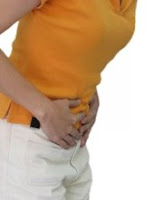 Pelvic inflammatory disease (PID) is a serious infection in the upper genital tract which called female reproductive organs (uterus, fallopian tubes and ovaries). PID can be sexually transmitted or naturally occurring. In most cases PID is caused by a type of bacteria, often the same type that is responsible for several sexually transmitted diseases, such as gonorrhea and chlamydia. In some cases, PID develops from bacteria that have traveled through the vagina and the cervix by way of an intrauterine device (IUD).Discover PID symptoms and treatment as well as how to avoid PID.
 Sexually transmitted diseases (STDs) and/or sexually transmitted infections (STIs) are group of diseases which are passed on through intimate sexual contacts. Sometimes they called Venereal disease. Sexually transmitted infections (STIs) are passed from person to person during intimate sexual contact. You can catch STIs through: having unprotected vaginal sex, having unprotected anal sex, having unprotected oral sex, or having genital contact with an infected partner.Discover more about STDs.
 Menstrual cramps are pains in the abdominal (belly) and pelvic areas that are experienced by a woman as a result of her menstrual period. Many women suffer from menstrual cramps.Menstrual cramps can range from mild to quite severe. Mild menstrual cramps may be barely noticeable and of short duration - sometimes felt just as a sense of light heaviness in the belly. Severe menstrual cramps can be so painful that they interfere with a woman's regular activities for several days.You can discover all causes of the menstrual cramps;You can discover home remedies for menstrual cramps;You can discover medical treatment for menstrual cramps.
 Vaginal yeast infection is the most common type of yeast infection. You can discover symptoms, causes and medical treatment of the vaginal yeast infection on the following page.Do you know that vaginal yeast infection is totally curable with home remedies which include Tea tree oil, garlic, Yogurt, Curds, Honey, Apple cider vinegar, Boric acid, Cranberry juice, Potassium sorbate and Mixture of olive leaf extract.Most of these home remedies have been tried and tested for their efficacy. You can usually cure yourself in the privacy of your home without the need to visit your doctor.
Discover how to do it ...
 What is your normal ideal weight? How to control your weight? Are you fat? Should you control your weight? Why your weight is changes during menstrual cycle? What to do and how to control your weight? What is Body Mass Index? How to calculate your Body Mass Index? What to eat? What is the best diet for weight control? What is obesity? Are you overweight or underweight?You can discover all answers by clicking here
 Vaginism or Vaginismus is a condition in which an attempt to insert something into a woman's vagina causes the muscles surrounding the vagina to tighten, and to clamp shut, making penetration painful or impossible. Vaginism can affect sexual intercourse as well as gynecological examinations and even the use of tampons. Vaginismus is involuntary - not intentional, and can be compared to any other reflex action where the body closes up as a reflex, like when the eye blinks if something approaches it. It is important to note that vaginismus is not triggered deliberately or intentionally by women. It happens involuntarily without their intentional control and often without any awareness on their part. Read and discover more ...
 In general normal regular periods are signals of the normal hormonal development and normal menstrual cycles. Many girls are curious what is normal and what should be considered as abnormality.During lifetime women usually face different types of disturbances of periods and the causes could be very different (simple and serious, not important and life threatening).Short periods, spotting, brown discharge, light periods, rare periods, bleeding, strange periods - these is very often complains from girls and young women. What are reasons of abnormal periods? What should be done? Discover more ...
 Premenstrual dysphoric disorder (PMDD) is a severe form of Premenstrual Syndrome (PMS). It is a mood disorder associated with the luteal phase of the menstrual cycle. PMDD is premenstrual syndrome that is so severe it can be debilitating due to either physical, mental or emotional symptoms. PMDD considered being a very severe form of PMS that affects about 5% of menstruating women. Both PMDD and PMS share symptoms in common that include depression, anxiety, tension, irritability and moodiness. What sets PMDD apart is its severity. Women with PMDD find that it has a very disruptive effect on their lives.Read more ...
 Do you know that women and girls living together and/or communicating very close are having their periods at the same time (very often or always)? Why it is happening? What means synchronized periods? What is McClintock effect?
In XX century was discover the phenomenon wherein the menstrual cycles of women living in close quarters tend to synchronize. This phenomenon has been observed in women living together. It has been found in room-mates, close friends, lesbian couples and most strongly between mothers and daughters.
Read more and discover very interesting facts about women body.
 Very often girls and women are asking questions about their weight. Are they OK or they need to loose some kilograms. How to know the correct weight? How to be healthy, beautiful and sexy? Is there any correlation between weight and menstrual cycle?During last decades some observations confirmed that a very low or very high body weight could create disorders of the menstrual cycle, infertility and reduce fertility. Recently some molecular mechanisms of the correlations between weight and the menstrual cycle were discovered.Read more and discover correlations between your weight and menstrual cycle.
 Body Mass Index (BMI) is calculated according to person’s weight and height. BMI equals a person's weight in kilograms divided by height in meters squared. Formula: weight (kg) / [height (m)]2BMI can be also calculated in "lb" and "in". Formula: weight (lb) / [height (in)]2 x 703BMI is a reliable indicator of body fatness for people. Additionally, BMI is an inexpensive and easy-to-perform method of screening for weight categories that may lead to health problems.BMI is calculated the same way for both adults and children.Read more and discover calculation and weight classification (normal weight, overweight and underweight).
 Millions of men are using condoms but some are often complaining because of different problems (loosing a condom during sex, having broken accidents, etc.). The main reason is wrongly used condom. Read more to check how to wear the condom correctly.
 It’s an important and popular question that most condom users - both new and veteran condom users - ask: How to choose condom? Best condom? What size condom do I need? Condoms are extremely effective at preventing pregnancy and sexually transmitted infections (STIs). But which condom is the best? There is no best condom for everybody but you can choose the best condom for yourself. Condoms come in many shapes and styles. They are available in different lengths, widths, and strengths. With so many kinds of condoms out there, it's tough to know how to pick the right one. It's important to think about what the condom is made of, if it comes with lubricant, what size to buy, how to check the quality, etc.
To figure out how to choose read more.
 There are several natural methods of contraception which include the following: * Coitus Interruptus (Withdrawal method), * Rhythm Method, * Basal Body Temperature method, * Cervical Mucus method, and * ELISA Test.Discover more ...
 Smoking cigarettes while taking birth control pills dramatically increases risks of heart attack for women over 35. Smoking is far more dangerous to a woman's health than taking birth control pills, but the combination of oral contraceptive pill use and smoking has a greater effect on heart attack risk than the simple addition of the two factors.Smoking cigarettes while taking birth control pills increases a woman's risk of having an ischemic stroke (three times more likely in pill users than in nonusers) or a hemorrhagic stroke (three to four times that of nonusers), according to a large World Health Organization (WHO) study.Read more ...
 Endometriosis is the growth of cells similar to those that form the inside of the uterus (endometrial cells), but in a location outside of the uterus. Endometrial cells are the same cells that are shed each month during menstruation. The cells of endometriosis attach themselves to tissue outside the uterus and are called endometriosis implants. These implants are most commonly found on the ovaries, the Fallopian tubes, outer surfaces of the uterus or intestines, and on the surface lining of the pelvic cavity. They can also be found in the vagina, cervix, and bladder, although less commonly than other locations in the pelvis. Rarely, endometriosis implants can occur outside the pelvis, on the liver, in old surgery scars, and even in or around the lung or brain. Endometrial implants, while they can cause problems, are benign (not cancerous).Read and discover more ...
 If your vulva smells fishy, it is almost certain that you have bacterial vaginosis (also known as "anaerobic vaginosis"). This is an imbalance in the bacteria in the vagina. All women have harmless bacteria in their vaginal passage. In bacterial vaginosis, some of the bacteria multiply so that more are present than is normal (it is usually the Gardnerella and Mobiluncusbacteria that are the culprits). In other words, bacterial vaginosis is not an infection caught from your partner; it is due to bacteria that are normally present in the vagina.Read more about Bacterial Vaginosis.
 The Ferriman Gallwey scoring system (Ferriman DM, Gallwey JD.,1961) is used to score the degree of excess male pattern body hair (hirsutism) by doctors. The scorecard of every body location under survey begins from 0 (no excessive terminal hair growth) to 4 (extensive terminal hair growth) and the numbers are added up to a maximum count of 36. It is pretty easy evaluate the hirsutism with objective scores. If you would like to check objectively the level and degree of the pathological hair grow (hirsutism) on your body, please use Ferriman Gallwey scoring system.
Read and see pictures which will help you to make calculations.
 Breast pain is one of the most common breast problems. Pain can range from mild to severe, and sometimes requires treatment. It may affect one or both breasts, or can radiate into the armpit. In general, breast pain is not a sign of cancer. There are 3 categories of breast pain: pain related to the menstrual cycle, pain not affected by the menstrual cycle, and pain originating in the chest that feels as though it is in the breast.
Read and discover more about breast pain.
 The female genital organs consist of an internal and an external group. The external genital organs include the mons pubis, labia majora, labia minora, Bartholin's glands, and clitoris. The area containing these organs is called the vulva. At the beginning of vulva, just inside the opening of the vagina, is the hymen, a mucous membrane. In virgins, the hymen usually encircles the opening like a tight ring, but it may completely cover the opening. The external genital organs have three main functions: Enabling sperm to enter the body, Protecting the internal genital organs from infectious organisms and Providing sexual pleasure The internal genital organs form a pathway (the genital tract). This pathway consists of the Vagina, Uterus, Fallopian tubes (oviducts) and Ovaries.
Read more about detailed functions of reproductive organs.
 Fertilization occurs when a live sperm penetrates the newly released mature egg successfully and cell division starts. The woman has now conceived - the embryo is growing! During sexual intercourse, millions of sperm are released into the vagina and move through cervix to uterus and fallopian tubes. Hormones during ovulation change the cervical mucus – it becomes watery allowing the sperm to swim up the vagina through the cervix. At other times the mucus is more viscous and unreceptive to sperm. Only about 2,000 sperm will be strong enough to reach the uterus and the fallopian tube. Read more ...
 Implantation bleeding is vaginal discharge which usually contains a small amount of pinkish or brownish blood. Only about a third of pregnant women experience implantation bleeding. The egg becomes fertilized with a sperm within 12 hours after ovulation, usually in the outer portion of the fallopian tube. It then travels down the fallopian tube, increasing its size along the way. In the fallopian tube it becomes the zygote and doubles to two cells, four cells, then eight cells and becomes the "morula." As the morula enters the uterine cavity it's called a "blastocyst." Implantation bleeding can happen at the time the fertilized egg implants in the uterus - the attachment of the fertilized egg to the uterine lining, on average between 6 to 12 days past ovulation (on average about 9 days after ovulation). Because the lining uterus is made up of blood, there can be a bit of blood expelled in some women.
Read more ...
 Gardasil (Merck & Co.), also known as Silgard, is a vaccine against certain types of human papillomavirus (HPV). Gardasil is the only cervical cancer vaccine that helps protect against 4 types of human papillomavirus (HPV): 2 types that cause 70% of cervical cancer cases, and 2 more types that cause 90% of genital warts cases. Gardasil is for girls and young women ages 9 to 26. Human papillomavirus (HPV) infections cause nearly all cases of cervical cancer. Cervical cancer is the fifth leading cause of death from cancer in women world-wide, and the leading cause of cancer-related deaths among women in the majority of developing countries. Gardasil is only effective in preventing HPV infections, not in treating those already infected by HPV, and so the vaccine must be given before HPV infection occurs in order to be effective. For this reason it is recommended to administer the vaccine before adolescence and the onset of sexual activity. Read more ...
 Tubal sterilization or so called tubal ligation is a permanent form of contraception. Tubal sterilization is surgery to block a woman's fallopian tubes. After this procedure, eggs cannot move from the ovary through the fallopian tubes, and eventually to the uterus. Also, sperm cannot reach the egg in the fallopian tube after it is released by the ovary. Thus, pregnancy is prevented.There are two options for tubal sterilization:1). When surgical procedure includes cut or tie or burn of fallopian tubes; OR2). Essure spring-like coils inserted to block the fallopian tubes. Essure is a new non-surgical method of permanently blocking the fallopian tubes to stop pregnancy from occurring.Read more about sterilization.
 If possible, you should avoid taking other medicines, or herbal remedies, with the contraceptive pill. If a health professional prescribes medicine for you, you should always tell them if you're taking the pill. This is because some medication can affect the way that the pill works. Antibiotics might decrease the effectiveness of birth control pills (contraceptives). There have been reports of pregnancy in women who have taken antibiotics while using birth control pills. Theoretically, additional medications might alter the metabolism and blood levels of the birth control hormones, thereby altering their effectiveness. Antibiotics can affect how estrogen (the active ingredient in the contraceptive pill) is absorbed into your body. This can make the pill less effective, and you'll need to use an additional form of contraceptive, such as a condom. You should use the additional form of contraceptive while you're taking antibiotics, and for one week after you stop.
Read TIPS for women who should take antibiotics while using birth control pills.
 Menstrual cramps are one of the most chronic pains a woman suffers. Lasting anywhere from 3 to 5 full days during your period, cramps can be slight or so severe that you are left in a fetal position in agony. Since girls and women have been menstruating since the beginning of time and way before the invention of modern medicine, women have found many natural cures and remedies for menstrual cramps over the centuries.
Do you know about natural remedies remedies for menstrual cramps?
Read more and discover effective natural remedies for menstrual cramps - Heat, Bananas, Aloe gel and Black pepper, Black Cohosh, Raspberry tea, Ginger, Primrose Oil and Some Special exercises.
 There are many different activities that cause us to sweat more than usual – room high temperature, hot weather, physical exercises, activities which make you feel anxious all cause the sweat to flow. Sweat by itself does not have much of an odor (body odor). Most of the smell is caused by bacteria which live on the skin and in clothing. These bacteria use the sweat for growing. The sweat on most of our body is not full of nutrients (foods) for bacteria, so the bacteria there do not cause a lot of smell. Sweating is one of the body's ways of cooling down and it is important that we do sweat. There is a very rare condition where people do not sweat, and they are at a very high risk of overheating.What to do to prevent excessive sweating?
Read more to discover how to prevent excessive sweating and how to avoid sweating odor.
 In puberty many girls want their breasts to grow faster. After 20 many girls want their breasts to be larger than they are. But you should know that there is no miracle which can grow your breasts during one night. Your breasts start to grow in response to hormones in your body and your genetics will help your breasts to develop. These hormones are also found in small amounts in birth control pills, this is why girls on the pill will experience some small changes in their breast size. Very often girls are keeping asking about food which can enlarge their breasts. As long as you are eating healthy and maintain a healthy weight your breast will develop to a size that is right for your body.
Read more about food supplements and special exercises which can enlarge your breasts.
 Urinary tract infections (UTIs) are a serious health problem affecting millions of people each year. The "urinary tract" consists of the various organs of the body that produce, store, and get rid of urine. These include the kidneys, the ureters, the bladder, and the urethra. Any part of the urinary system can become infected, but most infections involve the lower urinary tract - the urethra and the bladder. Women are at greater risk of developing a urinary tract infection. UTI limited to bladder can be painful and annoying. The most serious consequences can occur if a urinary tract infection spreads to the kidneys. Girls could become prone to UTI's through wiping back-to-front when they are first toilet-trained, which pulls stool into the vaginal area. Often UTI appears after first sexual contact. Sexually active teenage and adult women are more prone to UTI's.
Read more about causes of UTIs and treatment.
 Vaginal itching is a tingling or uneasy irritation of the skin of the vagina and the surrounding area (vulva). The itching may cause a desire to scratch the affected area. Although vaginal itching is the hallmark of yeast infections and other vaginal infections including sexually transmitted diseases (STDs), itching in the vagina and vulva areas has multiple causes. Vaginal itching can also arise due to chemical irritants that may be found in detergents or soaps, douches and vaginal creams, toilet paper, bath products, feminine hygiene products, and vaginal contraceptive products.
Women in the menopausal transition may experience vaginal itching due to fluctuations in estrogen levels. As estrogen levels decline in the perimenopause, the vaginal wall becomes thinner and drier, and itching may result. Some studies have shown a link between psychological stress and vaginal yeast infections.
Read more about causes and treatment of the Vaginal Itching.
Vaginal itching is a tingling or uneasy irritation of the skin of the vagina and the surrounding area (vulva). The itching may cause a desire to scratch the affected area. Although vaginal itching is the hallmark of yeast infections and other vaginal infections including sexually transmitted diseases (STDs), itching in the vagina and vulva areas has multiple causes. Vaginal itching can also arise due to chemical irritants that may be found in detergents or soaps, douches and vaginal creams, toilet paper, bath products, feminine hygiene products, and vaginal contraceptive products.
Women in the menopausal transition may experience vaginal itching due to fluctuations in estrogen levels. As estrogen levels decline in the perimenopause, the vaginal wall becomes thinner and drier, and itching may result. Some studies have shown a link between psychological stress and vaginal yeast infections.
Read more about causes and treatment of the Vaginal Itching.
 Some people with body odor suffer from severe problems in their personal and social relationships, as well as wrecked promotion prospects at work, educational under-achievement because of teasing and bullying along with enormous degrees of stress. Feelings of shame, embarrassment, low self-esteem, isolation, frustration, anxiety and depression are extremely common where Body Odor is present. Certainly the answer does not lie in antiperspirant and deodorant sprays which at best only mask the problem, although safe forms of these might well prove useful in the short-term.
Read more about causes and prevention of the Body Odor. Some solutions are very simple and easy.
 It is normal for every woman’s vagina to have a unique smell; it is natural. Even when you notice a recent difference in its smell, it is not necessarily an infection. That change may be linked to a specific moment of your menstrual cycle because the smell of your vagina can vary depending on the time of the cycle. Becoming familiar with the healthy smell of your vagina can help you determine when there is a problem. Changes in vaginal smell occur throughout the menstrual cycle but can also result from yeast infections, sexually transmitted infections, Trichomoniasis, Bacterial Vaginosis and some other causes. Vaginal discharge is clear or milky white when a female is not on her period. During menstruation, this discharge keeps the vagina clean. Healthy vaginal discharge thickens and increases when you are sexually stimulated, when you are breastfeeding, or when you ovulate. Read more about causes of the Vaginal Odor and what can be done.
 If your vulva smells fishy, it is almost certain that you have bacterial vaginosis (also known as "anaerobic vaginosis"). This is an imbalance in the bacteria in the vagina. All women have harmless bacteria in their vaginal passage. In bacterial vaginosis, some of the bacteria multiply so that more are present than is normal (it is usually the Gardnerella and Mobiluncus bacteria that are the culprits). In other words, bacterial vaginosis is not an infection caught from your partner; it is due to bacteria that are normally present in the vagina. Symptoms of bacterial vaginosis usually include fishy smell in the genital area and vaginal discharge.
Read more about Bacterial Vaginosis and treatment.
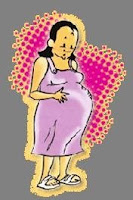 It is always useful to know some symptoms of the pregnancy which could appear in most cases:
• Missed period,
• Changes in you appetite,
• Altered sense of taste,
• Fatigue, • Frequent urination,
• Morning sickness (vomiting in the morning),
• Tender breasts and darkening of your areolas,
• Implantation bleeding and/or cramping,
• Increased vaginal discharges (sometimes),
• Other unusual feelings like sleepiness, restlessness, irritability, etc.
Read more about pregnancy and other situations very similar to pregnancy.
 Lactation is a normal physiological situation for pregnant and breastfeeding women. But can women have lactation without pregnancy? What to do if girls and women who never were pregnant are suffering from lactation? How and why a virgin girl can have lactation? Unfortunately it is the symptom of stress or pathological situation called "hyperprolactinemia". Prolactin is a hormone produced by the pituitary gland, which lies under the brain in the skull. Increased levels of prolactin will occur for several reasons. They occur naturally in pregnancy and lactation but will also be raised in stress. This hormone stimulates lactation in women and its presence in concentrations higher than normal in non-lactating women is termed as "hyperprolactinemia". Excess of the hormone prolactin can also lead to metabolic imbalances. What are the causes of hyperprolactinemia? What are the other symptoms? Read more ...
 Amenorrhea is the absence of periods (menstrual bleeding) for more than 6 months. Absence of periods during 2-6 months called oligomenorrhea. Amenorrhea could be primary or secondary: • Primary amenorrhea is the absence of menstrual bleeding and secondary sexual characteristics (for example, breast development and pubic hair) in a girl by age 14 years or the absence of menstrual bleeding with normal development of secondary sexual characteristics in a girl by age 16-17 years. • Secondary amenorrhea is the absence of periods in girls and women who had been menstruating but later stop menstruating for 6 or more months in the absence of pregnancy, menopause, hormonal treatment and/or hormonal contraception. Amenorrhea can result because of an abnormality in the hypothalamic-pituitary-ovarian axis which could be functional or anatomical. Read more about amenorrhea
 Smoking cigarettes while taking birth control pills dramatically increases risks of heart attack for women over 35. Smoking is far more dangerous to a woman's health than taking birth control pills, but the combination of oral contraceptive pill use and smoking has a greater effect on heart attack risk than the simple addition of the two factors. Smoking cigarettes while taking birth control pills increases a woman's risk of having an ischemic stroke (three times more likely in pill users than in nonusers) or a hemorrhagic stroke (three to four times that of nonusers), according to a large World Health Organization (WHO) study. Read more
 Girls want to be beautiful, sexy and confident especially during puberty period. Beautiful skin is important component of female beauty. But sometimes skin problems like intensive hair grow create problems. During puberty girls are too sensitive to any new growing hair on their face, body, legs. What to do if you noticed excessive and increased hair growth in locations where the occurrence of terminal hair normally should be minimal or absent. What you should know about hair removal? What are most effective and modern methodologies for hair removal? Is it just a cosmetic procedure or it should be medically supported?
Discover more.
 What is normal hair grow for women and what is hirsutism? What is considered normal for a woman and what is considered hirsute depends on factors such as culture and race. The extent of normal hair growth varies between individuals, families and races, being more extensive in the Mediterranean and some Asian subcontinent populations. History knows several cases of excess hair grow in pretty famous women. Visiting art galleries you can see portraits of women from 15-18 centuries who were well known because of their hirsutism. For example, famous Spanish painter Jusepe de Ribera in 1631 AD introduced his painting “Magdalena Ventura with Her Husband and Son” which clearly demonstrated Magdalena’s excess hair grow (hirsutism) but fortunately her reproduction system was not damaged and she delivered a son and she was able to breastfeed her child.Read more about hair grow in women.
 Very often girls and women are asking questions about their weight. Are they OK or they need to loose some kilograms. How to know the correct weight? How to be healthy, beautiful and sexy? Is there any correlation between weight and menstrual cycle? Young girls dream about having bodies which are comparable with famous models, permanently thinking about normal weight, fitness, weight control, diet, food calories, overweight, obesity and weight watch. First, it is important to highlight that “normal weight” understanding can be different for people of different nationalities, generations, professions, centuries, believes, etc. But at the same time there is a “normal weight” which is recognized by traditional medicine which is an indicator for measuring health and illness. This indicator called Body Mass Index (BMI). Body mass index is a measure of body fat based on height and weight. Read more
 Once you start your periods, you need to know the regularity of yo cycle, when expect next perio, what are pre-menstruation symptoms and on which day they are appearing, etc., etc. It is also very important to calculate fertile and not fertile days for prevention of unplanned and unwanted pregnancies. Very often appearance of different symptoms (for example, mood change, breasts sensitivity, menstrual cramps, etc.) depends on the day of menstrual cycle and it is important to know on which day of menstrual cycle symptoms are mentioned. In general it is impossible to remember everything is happening during each menstrual cycle and it is recommended to use menstrual calendar. It is really pretty useful to use menstrual calendar which will help you to control your menstrual cycle and monitor all your feelings related to the menstrual cycle. Here is an example which you can print for yourself.
 Polycystic Ovary Syndrome (PCOS) also known as Stein-Leventhal syndrome is a complicated endocrine disorder associated with a long-term lack of ovulation (anovulation) and an excess of androgens (male hormones). PCOS affects an estimated 6-10% of all women and most don't even know they have it. Formation of eight or more follicular cysts of 10 mm or smaller in the ovaries is very typical for PCOS. The process related to the anovulation - ovary's failure to release an egg (ovum). The many cysts in a polycystic ovary are follicles that have matured but, due to abnormal hormone levels, were never released. In a normal ovary, a single egg develops and is released each month. PCOS is one of the most frequent causes of infertility. Read more
 What is menstrual cycle? Why we need it? Why it has starting age and ending age? What is the whole meaning of the menstrual cycle? If you are a teenage girl, you probably have started having a period. If you have not, you might be anxious about the subject or a bit concerned. The whole story about menstrual cycle and menstruation might seem a bit mysterious. In reality it is actually pretty complex but very interesting. Menstruation is the outward proof that a girl is becoming a woman. Having a period means your body is functioning well and properly. But after 50 it will go down.
Read more and understand your body better.
 Often love and sex does not mean that the happy couple is ready and/or wants to have a baby. If you are not ready to have a baby, you should take care of your fertility and ovulation. It is your responsibility to decide if you want pregnancy and baby. Sometimes pregnancy is happening unexpectedly. Sometimes unplanned pregnancies becoming wanted and millions of healthy children were born as a result of unplanned pregnancies. Are you pregnant? What to do? Are you ready? When is the best time for pregnancy?
Read more and discover best period for pregnancy – best age, best time, best period …
 What we know about abortion? The “abortion” is the termination of unwanted pregnancy. It can be spontaneous (also called miscarriage) or induced. Abortion can be induced surgically (e.g., by vacuum aspiration, or dilatation and curettage) or medically (e.g., using an antiprogestogen and/or prostaglandins), safely or unsafely. What we know about unwanted and unplanned pregnancies? Read more about it. The method for inducing abortion will depend upon the duration of the pregnancy, the training and skills of the provider, the facilities available and the preference of the woman. In most cases, the gestation can be determined reliably from the date of the last menstrual period and the findings on pelvic examination. Ultrasound investigation is necessary only when there is clinical doubt about the period of gestation or suspicion of ectopic pregnancy.
Read more about abortion and side effects.
 Pelvic exam is an examination that is performed by your doctor or a nurse to make sure that your reproductive organs are healthy. During pelvic exam the following reproductive organs are usually observed: vagina, cervix, uterus, ovaries and tubes. Main reasons of the Pelvic Exam: 1. Medical staff check if your pelvic organs (vagina, uterus, fallopian tubes and ovaries) are normal and healthy; 2. They can detect infections (STIs) that can cause vaginal discharge, pelvic pain or infertility. If you have one of these infections, a regular pelvic exam can help make sure that it’s detected early, so you can get treatment before any serious damage is done; 3. One of very important reasons for Pelvic Exam is “Pap” test that can detect early stages of some types of cancers. Spotting these early signs of cancer could even save your life.Read more about Pelvic Exam
 “Pap test” and “Pap smear” are the same thing – it is a test that involves collecting cells from cervix and then looking at them through a microscope to make sure they are normal and healthy. It is sometimes called a “smear” because the cells from the cervix are “smeared” onto a microscope slide. Pelvic Exam is a little different – it refers to the entire exam of your reproductive organs, part of which is the collection of cells for the Pap test. Some people think that a Pap test is a screening test for all sexually transmitted diseases, this is not true. But during Pelvic Exam doctor or nurse can take additional tests for sexually transmitted infections (STIs). You also can request STI tests if you have any concerns and/or doubts. It is a right time to ask for HIV test also (if needed). For “Pap smear” cells should be taken and/or "smeared" from the cervix and examined under the special microscope to detect diseases or other problems. Read more
 PMS stands for Premenstrual Syndrome. Many women have PMS and sometimes it is becoming a family problem. PMS correlates with increased concentration and/or disbalance of some hormones. PMS is a disorder characterized by a set of hormonal changes that trigger disruptive symptoms in a significant number of girls and women for up to two weeks before menstruation. PMS is a group of symptoms linked to the menstrual cycle. PMS symptoms occur in the week or two weeks before your period. The symptoms usually go away after period starts. PMS can affect menstruating women of any age. It is also different for each woman. PMS may be just a monthly bother or it may be so severe that it makes it hard to even get through the day. In most cases the PMS disappear with menstruation and during 2 weeks (after period) the person feels absolutely healthy. Read more about PMS symptoms.
